Clinical Features

Ulcerative colitis (UC) Explained

UC is a chronic idiopathic IBD indicated by continuous inflammation of the colon's mucosal lining, often accompanied by ulcers and bleeding

Ulcerative colitis (UC) Explained

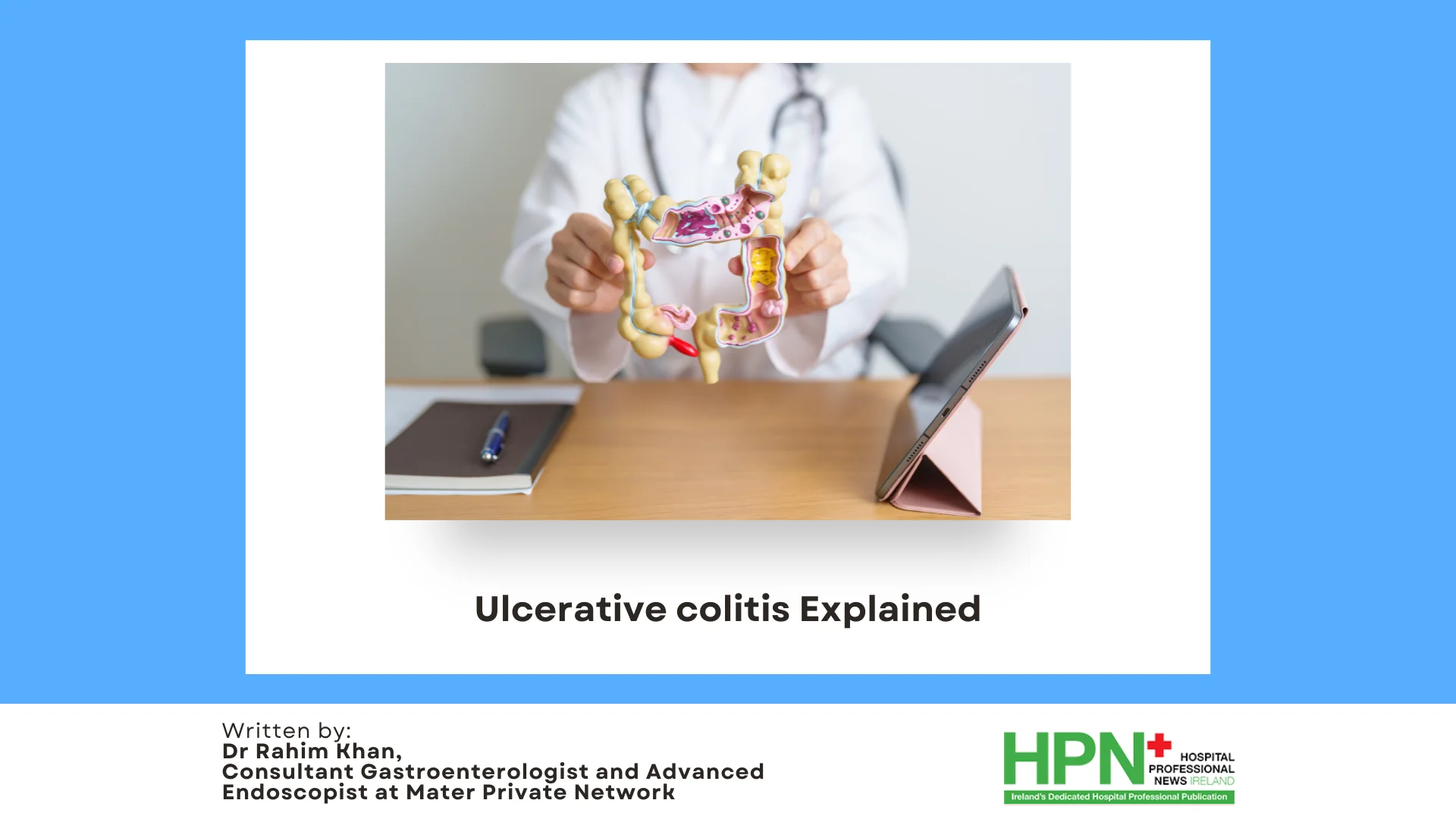
Ulcerative colitis (UC) is a chronic idiopathic inflammatory bowel disease (IBD) indicated by continuous inflammation of the colon’s mucosal lining, and often accompanied by ulcers and bleeding. The inflammation typically begins in the rectum and extends proximally. Unlike Crohn’s disease, which can affect any part of the gastrointestinal tract, UC is confined to the colon and rectum. While the exact cause remains unknown, UC is thought to arise from an abnormal immune response to intestinal microbiota in genetically predisposed people.

UC is classified based on the extent of inflammation and its location within the colon:

For verified healthcare professionals

Log in or register for free to read this article. HPN is for healthcare professionals, so new accounts are verified by our team.


Register for free Log in

Join the conversation

Comments are open to registered members. Log in or register to share your thoughts on this article.

Log in to comment Register for free