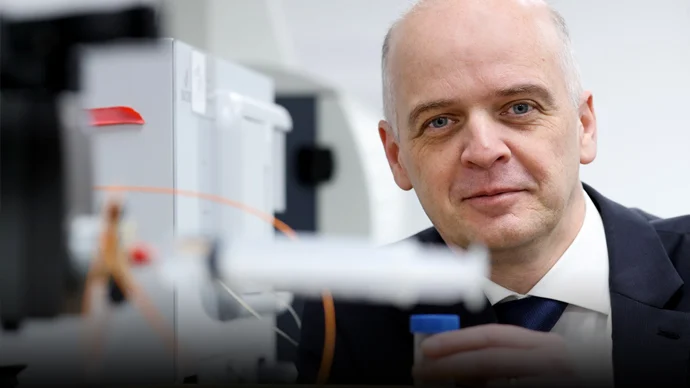
Professor James O'Donnell, Director of the Irish Centre for Vascular Biology, RCSI
RCSI (Royal College of Surgeons in Ireland), Science Foundation Ireland (SFI) and Shire, in partnership with the Irish Haemophilia Society, today presented new data from the The Irish Personalised Approach to the Treatment of Haemophilia (iPATH) study which aims to advance research on personalised care for people with haemophilia A during the 60th American Society of Hematology (ASH) Annual Meeting in San Diego, California.
iPATH researchers have identified important biomarkers that influence bleeding risk in people with haemophilia.(1) Limiting the number of bleeds experienced by people with haemophilia is critically important, as bleeds left untreated can result in joint damage or other long-term issues. Personalised care will help reduce the number of bleeds and improve the health and quality of life of people with haemophilia.
For verified healthcare professionals
Log in or register for free to read this article. HPN is for healthcare professionals, so new accounts are verified by our team.