
Irish Rhinologic Society Highlights Risks of Obstructive Sleep Apnea in New ‘Follow Your Nose’ Podcast Episode
The Irish Rhinologic Society has released a new episode of its Follow Your Nose podcast highlighting the risks, symptoms and treatment options associated with obstructive sleep apnea (OSA), a condition estimated to affect around one billion people worldwide.
The episode features insights from Dr John Garvey and Dr Brendan Fennessy, who discuss the causes, consequences and management of OSA in adults.
According to the podcast, OSA occurs when the airway repeatedly collapses during sleep, disrupting breathing and reducing sleep quality. While commonly associated with snoring, the condition can also impact energy levels, cognitive functioning, relationships and long-term health outcomes.
“Sleep apnea is the most common respiratory condition. It affects 1 in 7 people in Ireland,” said Dr Brendan Fennessy, Consultant ENT Surgeon at The Beacon Hospital and Tallaght University Hospital.
Dr John Garvey, Consultant Respiratory & Sleep Physician at St Vincent’s University Hospital, described the impact untreated OSA can have on daily life and long-term health.
“Patients don’t function well the following day. It can be disturbing for partners; their sleep can be affected, which can affect their relationships. Over time, moderate to severe cases are associated with a reduced survival rate.”
The podcast also highlights several serious risks associated with untreated OSA, including cardiovascular disease, stroke, daytime fatigue affecting driving safety, and neurocognitive effects in children.
Mona Thornton, Associate Clinical Professor and Consultant Otolaryngologist / Head & Neck Surgeon, emphasised the importance of public awareness and early intervention.
“OSA is far more than just snoring — it is a significant medical condition that can have profound consequences for a person’s overall health, wellbeing, and quality of life.”
She added that the Irish Rhinologic Society hopes initiatives such as the podcast will encourage earlier recognition of symptoms and greater engagement with healthcare services.
The discussion also explores contributing factors linked to OSA, including obesity, upper airway structure, enlarged tonsils, nasal obstruction and lifestyle-related risks.
The speakers additionally discussed the growing role of wearable technology in identifying potential sleep issues, although they stressed that such devices cannot replace formal diagnosis.
“Wearable tech is increasing awareness and can often detect severe cases,” noted Dr Garvey. “However, it is not a diagnostic tool.”
Formal diagnosis of OSA requires clinical assessment, medical history evaluation, physical examination and sleep studies to determine severity.
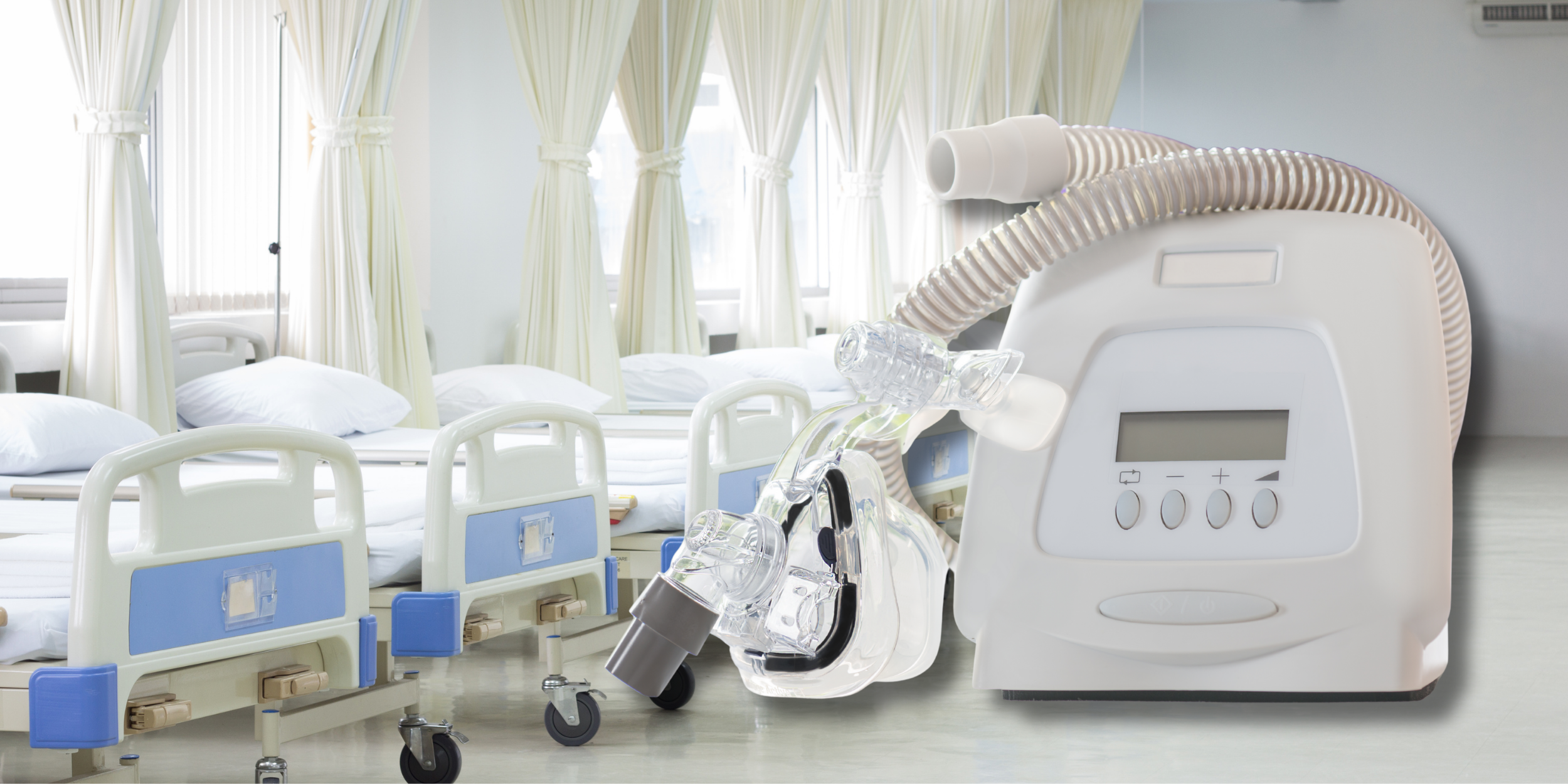
Treatment approaches may include weight management, lifestyle interventions, CPAP therapy, surgery and targeted treatments depending on the patient’s individual needs.
“Patients have options,” said Dr Fennessy. “The important step is seeking proper medical advice.”
The latest episode of Follow Your Nose, produced by the Irish Rhinologic Society and supported by A. Menarini Pharmaceuticals, is available on major streaming platforms.