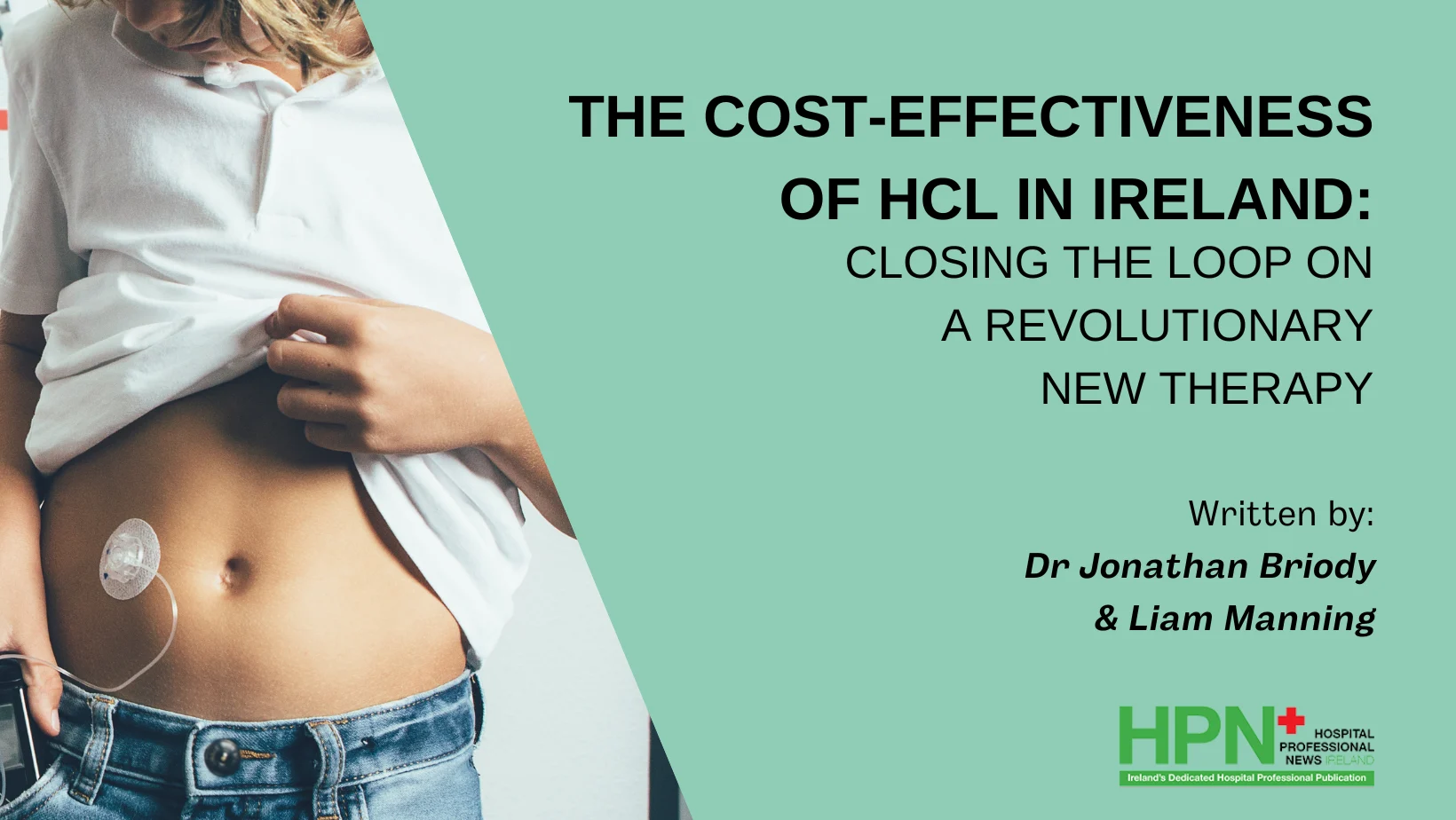
Type 1 Diabetes in Ireland: Diabetes Mellitus (DM) describes a group of metabolic diseases characterised by hyperglycemia. Once known as juvenile onset diabetes, type 1 diabetes mellitus (T1DM) involves an absolute insulin deficiency caused by the autoimmune destruction of beta cells in the pancreas. Type 2 diabetes mellitus (T2DM) involves a relative insulin deficiency caused by an acquired resistance to insulin, insufficient insulin production by beta cells or, both. While both T1DM and T2DM are characterised by hyperglycaemia, these diseases have different pathophysiology, risk factors and treatments.
T1DM affects about 20,000 people in Ireland, or 0.4% of the total Irish population. T1DM is a chronic condition that will affect an individual for the rest of their life. It typically develops during childhood or adolescence so the negative impact of hyperglycaemia can compound over one’s lifetime to produce severe complications such as heart disease, renal disease, blindness, and many more. This greatly affects a patient’s quality of life and can be very costly to treat (1).
For verified healthcare professionals
Log in or register for free to read this article. HPN is for healthcare professionals, so new accounts are verified by our team.