Introduction: Herpes simplex virus (HSV) 1 and 2 are members of the Herpesviridae group which is a group of double-stranded, enveloped DNA viruses. The Herpesviridae group also includes Varicella Zoster Virus (VZV), Cytomegalovirus (CMV), Epstein- Barr virus (EBV) and Human Herpesvirus (HHV) 6, 7 and 8.
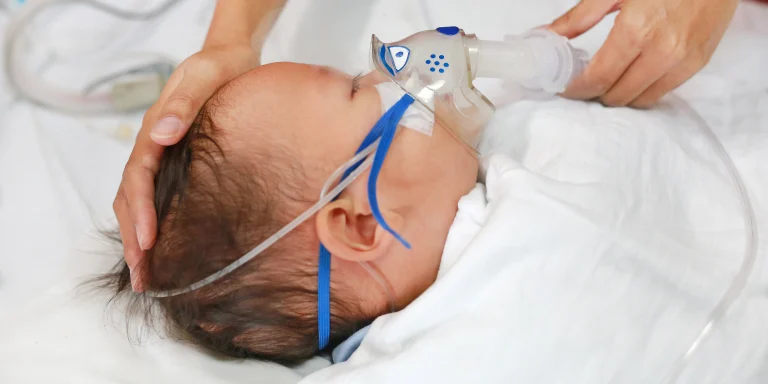
Classically, HSV1 causes oral infection i.e. cold sores and HSV2 causes genital infection, but this can be interchangeable. Both HSV1 and HSV2 can cause neonatal herpes simplex encephalitis, while HSV1 is the most common cause of childhood herpes disease. Spread of the virus is usually via the orolabial route and mucous membranes, and following primary infection, HSV develops latent infection in neurons. Latent infection is maintained in latency by cell mediated immune response, but the virus can reactivate and cause recurrent disease, usually near the site of within the dermatome of the affected ganglion, at times of stress, illness, immunosuppression and after UV exposure.
For verified healthcare professionals
Log in or register for free to read this article. HPN is for healthcare professionals, so new accounts are verified by our team.