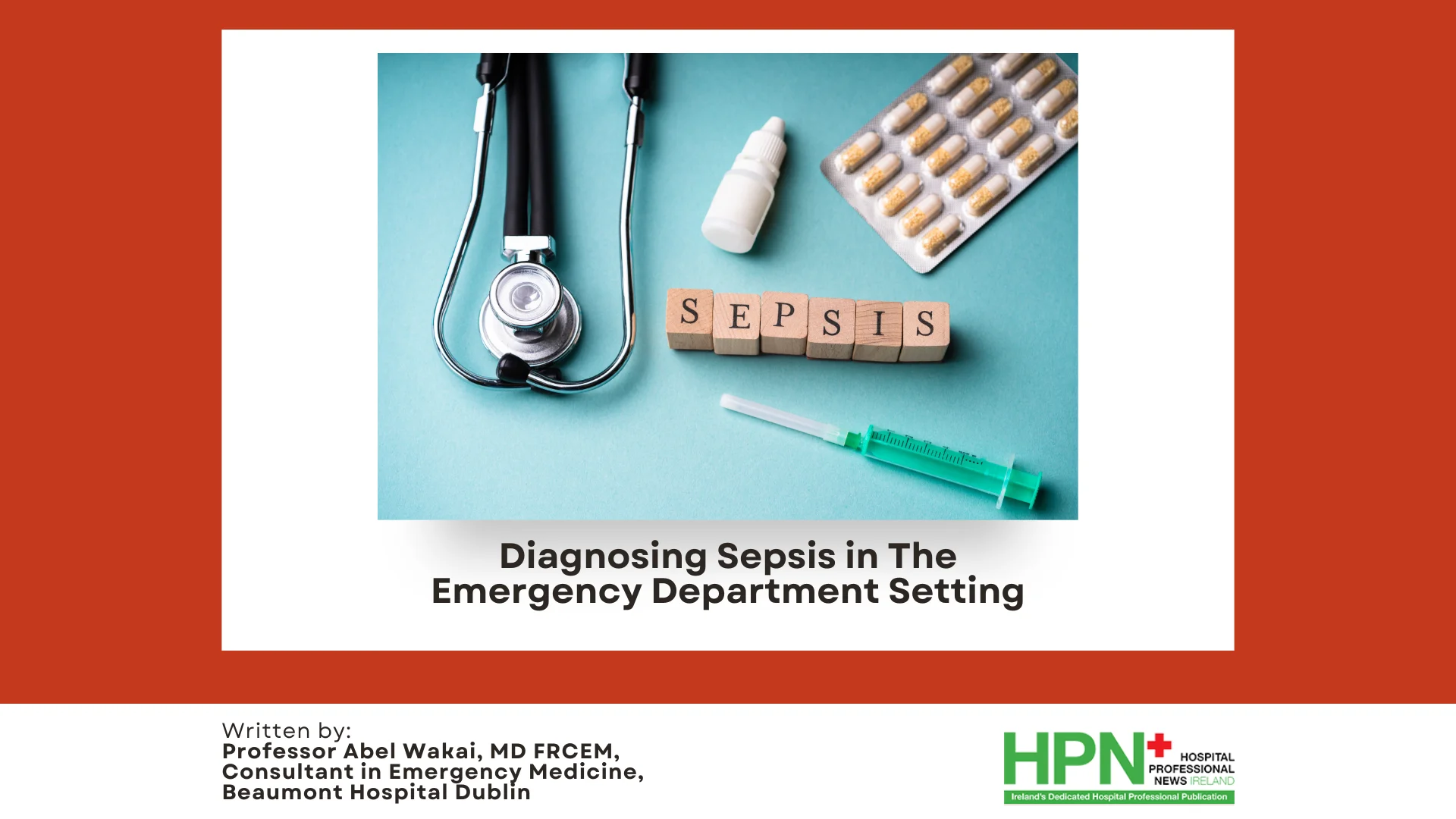
Sepsis is a potentially life-threatening dysregulated (exaggerated and abnormal) response to infection, causing body organ damage. Sepsis can damage organs such as the heart, brain, kidneys, lungs, and liver. Consequently, sepsis is a potentially life-threatening complication of an infection. Sepsis is a global public health challenge and a leading cause of preventable death, with about 20% of all deaths worldwide associated with sepsis. Meanwhile, most hospital deaths in Ireland, like many other developed countries, are associated with an infection or sepsis.
Sepsis occurs when, for unclear reasons, the body’s response to an infection injures its tissues, causing significant damage to vital organs such as the heart, brain, kidneys, lungs, and liver. In sepsis, substances (mediators) into the bloodstream to fight an infection trigger inflammation in the whole body. This inflammation can trigger a cascade of changes that can damage many organ systems in the body, causing them to fail. If sepsis progresses to septic shock, blood pressure dramatically drops, which may lead to death.
For verified healthcare professionals
Log in or register for free to read this article. HPN is for healthcare professionals, so new accounts are verified by our team.