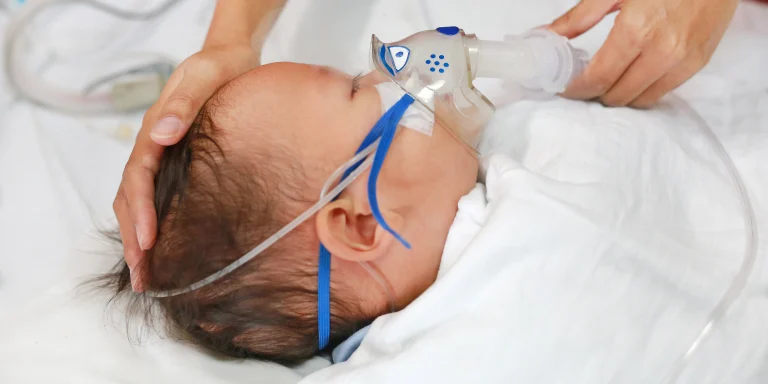
Asthma is characterized by variable respiratory symptoms such as wheeze, shortness of breath, chest tightness and cough, and variable expiratory airflow limitation. It is usually associated with airway inflammation (GINA, 2021). The exact cause of asthma remains unknown. Numerous triggers can cause symptoms, and these differ from person to person. As spring and summer emerges, this can be a challenging time as various pollen levels start to increase.
The clinical features of asthma (wheeze, cough, shortness of breath and chest tightness) result from changes in the airways as a result of abnormal sensitivity called bronchial hyper-reactivity. The muscle of the bronchial walls becomes hypertrophied causing occlusion of the airway resulting in constriction of the muscle causing bronchospasm. Secondly, in the mucosal, submucosa and smooth muscle layers of the bronchi and bronchioles, inflammatory cells infiltrate. Eosinophils, neutrophils, macrophages, mast cells and plasma cells are found in varying numbers. All these cells contain chemical mediators that produce the “asthmatic response”. With the increase in secretions, plugging of the smaller airways result. Asthma is a condition where not only bronchospasm occurs but muscle constriction, mucosal swelling, and an increase in secretions in the lumen in the airways.
For verified healthcare professionals
Log in or register for free to read this article. HPN is for healthcare professionals, so new accounts are verified by our team.