The Forgotten Patients: Why Does the Supportive Care Stop?
Whilst the number of cancer survivors patients are increasing, services are failing to keep up with their growing needs and long-term impact of cancer treatment on body composition,…
Page 3
Whilst the number of cancer survivors patients are increasing, services are failing to keep up with their growing needs and long-term impact of cancer treatment on body composition,…

Introduction: Multiple myeloma (MM) is an incurable haematological malignancy characterised by clonal expansion of abnormal plasma cells in the bone marrow. MM affects around 384 people in Ireland…
What is hormone receptor-positive breast cancer? Breast cancer subtypes can be characterised by the expression of oestrogen, progesterone and human epidermal growth factor (HER2) receptors on the surface…
Testicular cancer, by nature, is one of the most aggressive solid organ tumours. It can spread to virtually every part of the body but commonly to lymph nodes,…
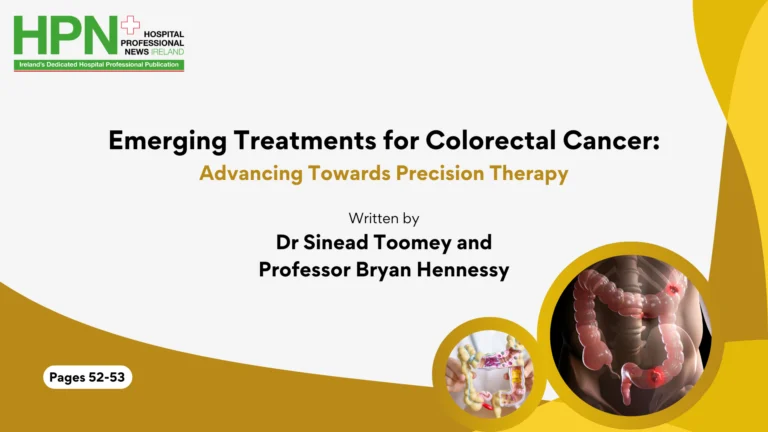
Introduction: Colorectal cancer (CRC) is the third most commonly diagnosed cancer and second leading cause of cancer-related mortality worldwide. In 2020 alone, over 1.9 million new cases and…
Introduction: The management of rectal cancer in Ireland has evolved significantly in recent years, driven by advancements in imaging, therapeutic modalities including surgical techniques and a growing focus on…
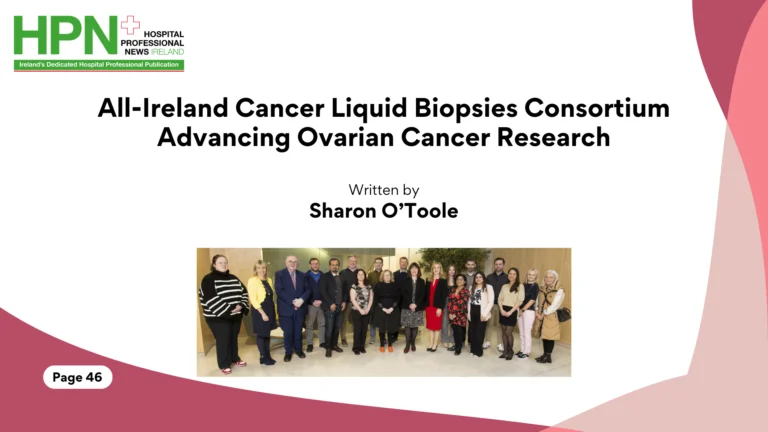
The All-Ireland Liquid Biopsy Consortium (CLuB; www.clubcancer.ie) is a collaborative program focused on advancing liquid biopsy technologies for cancer diagnosis and treatment. It unites researchers, clinicians, patients and…
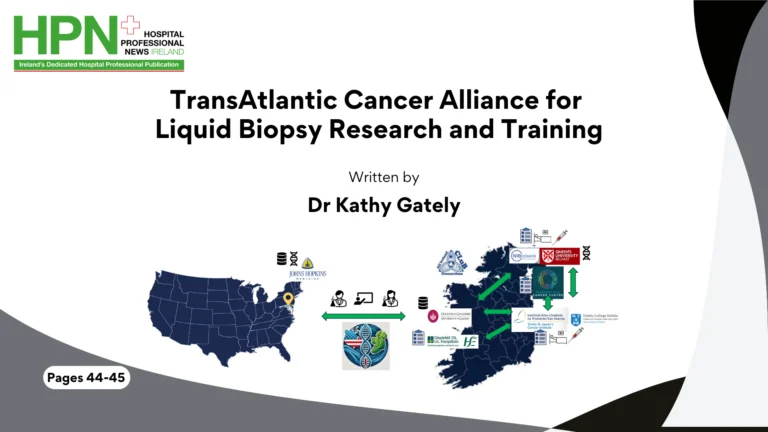
The TransAtlantic Cancer Alliance for Liquid Biopsy Research and Training project was recently funded by the HRB All-Ireland NCI Cancer Consortium (AICC) grant. This project, led by Dr…
Prostate cancer in Europe: the statistics Prostate cancer is the most commonly diagnosed cancer in men and the third leading cause of cancer-related deaths among males in Europe.…
Introduction: In Ireland, there are more than 200,000 people who are living with or beyond cancer. This is equivalent to nearly 4% of the total population (Mullen &…
You’re all caught up.